
Padel looks much more complicated from outside the court.
There are four players, glass walls, a tennis-style net and rackets that look like someone forgot to add the strings. Then you play your first game and realize why everyone’s suddenly obsessed with it.
You don’t need a brilliant serve. You don’t need to understand every wall rebound. You don’t even need your own racket. Within a few rallies, you’ll be keeping the ball alive, arguing over the score and discussing when you can play again.
If you’ve been searching for padel courts near me, here’s how the game works, what you’ll pay and where to try it in Johannesburg without driving for half of your day.
What is padel, and why is everyone suddenly playing it?
Padel is a racket sport usually played as doubles on an enclosed court. It borrows the net and scoring system from tennis, but the glass walls work more like squash.
The court is smaller than a tennis court, and players use solid rackets with holes instead of strings. The ball looks almost identical to a tennis ball, although it has slightly lower pressure.
What makes padel beginner-friendly is that power isn’t everything. A good tennis player may arrive with a better serve, but a complete beginner can still return shots, extend rallies and contribute to the game. You spend far less time collecting balls from three courts away.
According to the International Padel Federation, the sport had passed 35 million active players worldwide by the end of 2025. Padel South Africa has followed the same pattern: more courts, more social leagues and more people reorganising their week around a Tuesday evening booking.
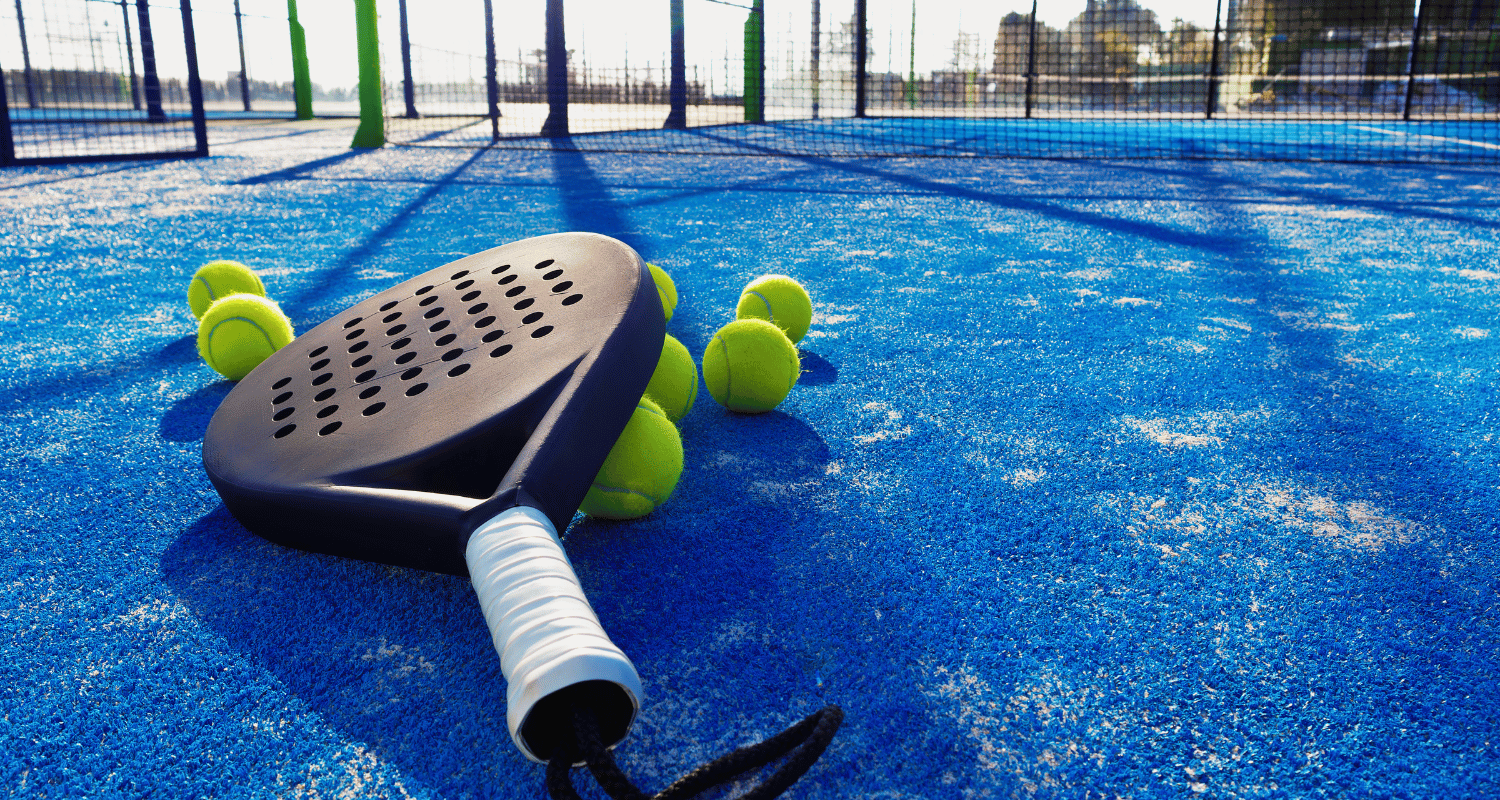
Padel rules you need for your first game
You don’t need to memorise the entire rulebook in the parking lot. These are the basic padel rules that will get you through your first match:
Padel is normally played by four people, with two players on each team.
Scoring works like tennis: 15, 30, 40 and game.
The serve is underarm and played after bouncing the ball.
You serve diagonally into the opposite service box.
The receiver must let the serve bounce before returning it.
During a rally, you can hit the ball before or after it bounces.
The ball may rebound off the glass after bouncing on your side.
If it bounces twice on your side, you lose the point.
The walls are the only part that feels strange at first. If the ball lands on your side and then hits the glass, it’s usually still playable. Let it come off the wall and hit it back.
You’ll misjudge a few. Everyone does. There’s no need to throw yourself dramatically at the glass during game one.
Why padel has taken off in South Africa
Padel makes exercise feel like a social plan. Four people share a court, the game moves quickly, and there’s enough competition to keep things interesting without making beginners feel completely out of place.
Rallies get going surprisingly quickly, even when nobody has much experience. You can enjoy your first game before you fully understand the walls, improve your technique or learn how to control every shot.
Joburg’s weather also suits the sport. Outdoor courts can be used for most of the year, while roofed courts keep games going through summer rain and chilly early mornings.
The social side doesn’t end when the match does. Many clubs have coffee shops, bars or restaurants nearby, so there’s no rush to head home once the final point has been played.
How to find padel courts near you in Johannesburg
Johannesburg has padel courts in Sandton, Melrose, Greenstone, Linbro Park, Waterfall and several western suburbs. Players around Roodepoort, Ruimsig, Krugersdorp and Muldersdrift no longer need to cross the city to find a game.
A current Johannesburg padel court directory is useful for comparing areas, but the easiest way to check availability is usually Playtomic. The app lets you find clubs, choose a time and pay for your booking.
Many Joburg venues allow non-members to book, although some private sports clubs restrict court access. Check before you invite three people and start coordinating everyone’s schedules.
If you searched “padel near me Johannesburg” and received a list of courts on the opposite side of the city, narrow the search to your suburb. For West Rand players, padel in Muldersdrift may be the closest and easiest option.
How much does it cost to play padel?
There isn’t one standard price for a padel court in Johannesburg. The amount depends on the club, booking length, day and time. Evening and weekend sessions are usually in greater demand than quieter weekday slots.
Syringa Park directs players to Playtomic, where the current price appears when you select your court and time. That’s more reliable than using an old rate from social media, especially since venue pricing and promotions can change.
As a general guide, a one-hour court at Syringa Park currently runs around R300 on a quiet weekday afternoon and closer to R360 for a weekend evening slot. Split four ways, that works out to roughly R75 to R90 per person for an hour of play.
Remember that the displayed amount may be for the whole court. If four people split the booking equally, the individual cost is much lower. Check whether racket rental and balls are included or charged separately before confirming.
You don’t need to buy equipment for your first game. Rent a racket, see whether you enjoy playing and worry about shopping later.
Padel at Syringa Park, Muldersdrift
For players in the West Rand, Syringa Park Padel is conveniently located inside Avianto Estate in Muldersdrift.
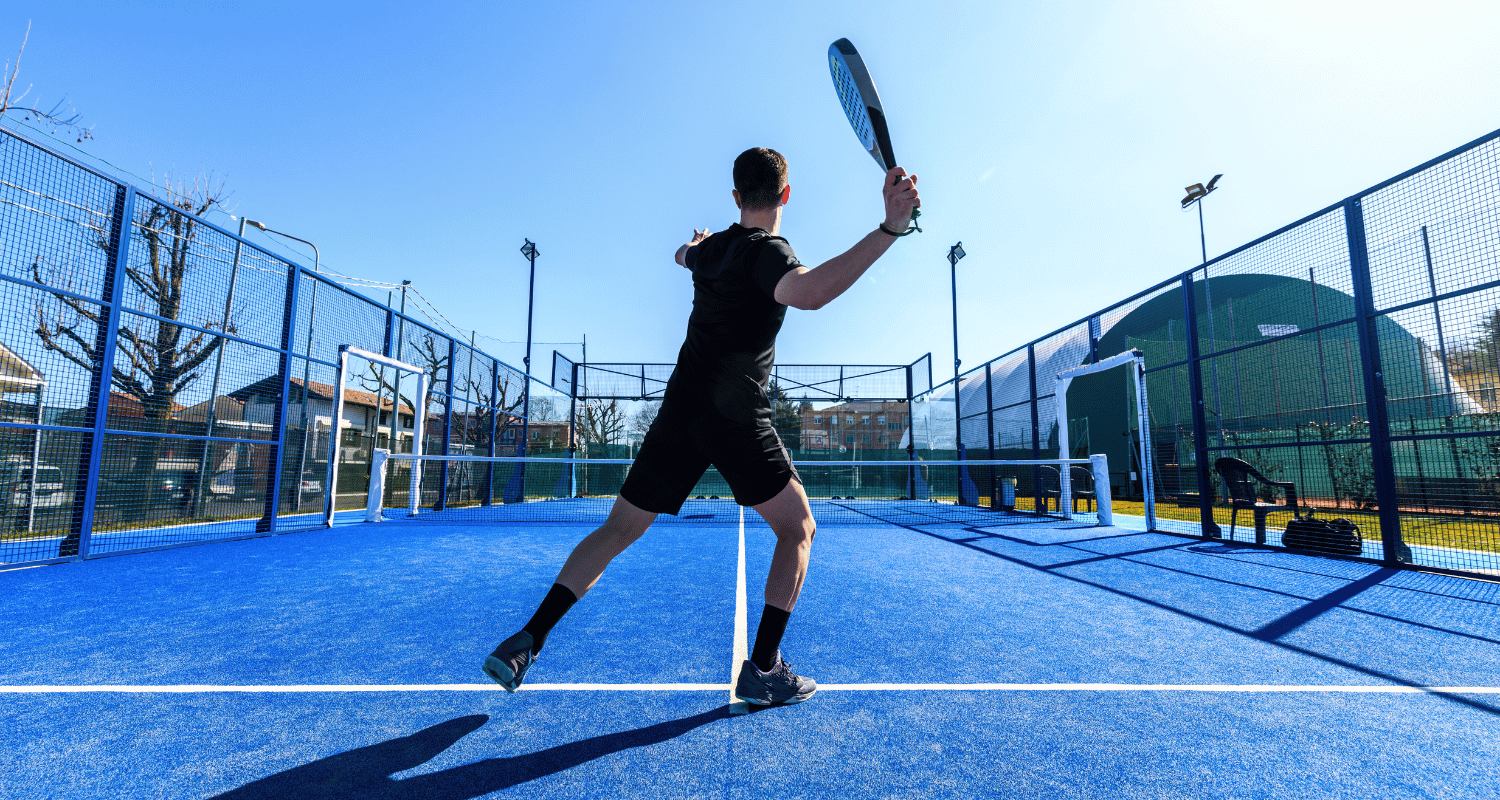
There are four panoramic courts with professional blue turf. Two are roofed for all-weather play, while two are classic outdoor courts. That gives you a better chance of keeping your booking when Joburg’s afternoon clouds begin making threats.
Rackets are available to rent, and the on-site pro shop sells balls and gear. There are also changing rooms, secure parking and complimentary Wi-Fi.
Current opening hours are:
Monday and Tuesday: 2 PM to 10 PM
Wednesday to Sunday: 6 AM to 10 PM
Walk-ins are welcome, but booking is recommended, particularly for evenings and weekends. You can book through Playtomic or contact the padel team at padel@syringapark.co.za or 082 475 5672.
The bar is open from 10 AM to 10 PM, and there are 13 gourmet food vendors in the nearby Syringa Pavilion. A quick game can therefore turn into breakfast, lunch, dinner or a much longer afternoon than anyone initially admitted to planning.

What to bring to your first game
Your first padel session doesn’t require much preparation, but a few choices will make it more comfortable.
Wear court shoes rather than ordinary running shoes. Padel involves quick sideways movements, and running shoes are designed mainly for moving forward. Comfortable sports clothes and water are the only other essentials.
Book a racket with the court if you don’t own one, and confirm who’s bringing balls. Arrive a few minutes early so you can find the court, collect rental gear and work out who’s playing with whom.
Most importantly, choose people you won’t mind being terrible with. A first game is far more fun when nobody behaves as though national team selection depends on the result.
If some family members aren’t interested in playing, they can explore the other activities at Syringa Park. Parents can also plan around these kids’ activities in Johannesburg, while visitors coming from farther away can find more things to do near Krugersdorp.
Ready to play?
You don’t need lessons, expensive equipment or a convincing backhand to start. Find three other people, book a nearby padel court and rent what you need when you arrive.
The rules will make far more sense once the ball hits the glass.